Blog 3 – 3D Printing of Artifacts – Killer Whale clan crest hat and the bust of Egyptian queen Nefertiti.
What is 3D printing?
Every 3D printer builds parts based on the same main principle: a digital model is turned into a physical three-dimensional object by adding material a layer at a time. In 3D printing, no special tools are required (for example, a cutting tool with certain geometry or a mold). Instead the part is manufactured directly onto the built platform layer-by-layer, which leads to a unique set of benefits and limitations. The process always begins with a digital 3D model – the blueprint of the physical object. This model is sliced by the printer’s software into thin, 2-dimensional layers and then turned into a set of instructions in machine language for the printer to execute. Depending on the size of the part and the type of printer, a print usually takes about 4 to 18 hours to complete. 3D printed parts are rarely ready-to-use out of the machine though. They often require some post-processing to achieve the desired level of surface finish. These steps take additional time and (usually manual) effort.
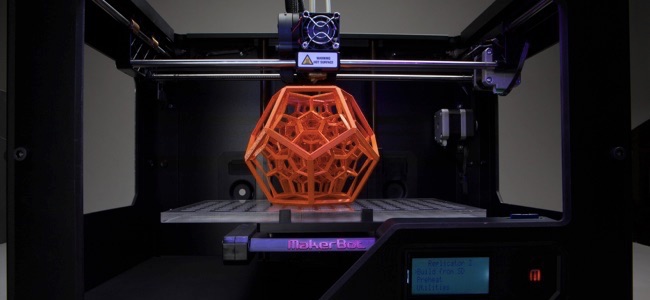
So how exactly is this process useful for museums? Well… there are a couple of instance of where this type of technology is extremely useful. One, 3D printing can be used to make replicas of objects. These replicas can be produced more than once allowing for the object to be displayed in numerous museums at once. Two, if an artifact is extremely valuable or at risk of deterioration a 3D replica can be made to help preserve the original object (by not having it on display). Three, it allows for cheap replicas of an artifact that guests can touch. A museum could, for example, make two prints of a piece of ancient pottery, put one on display and then have the other in an interactive museums where they could physically touch and examine the piece of pottery. These pieces of pottery would look and be physically identical to the original artifact but would be safe for the visitors to touch without the fear of damaging an authentic artifact.
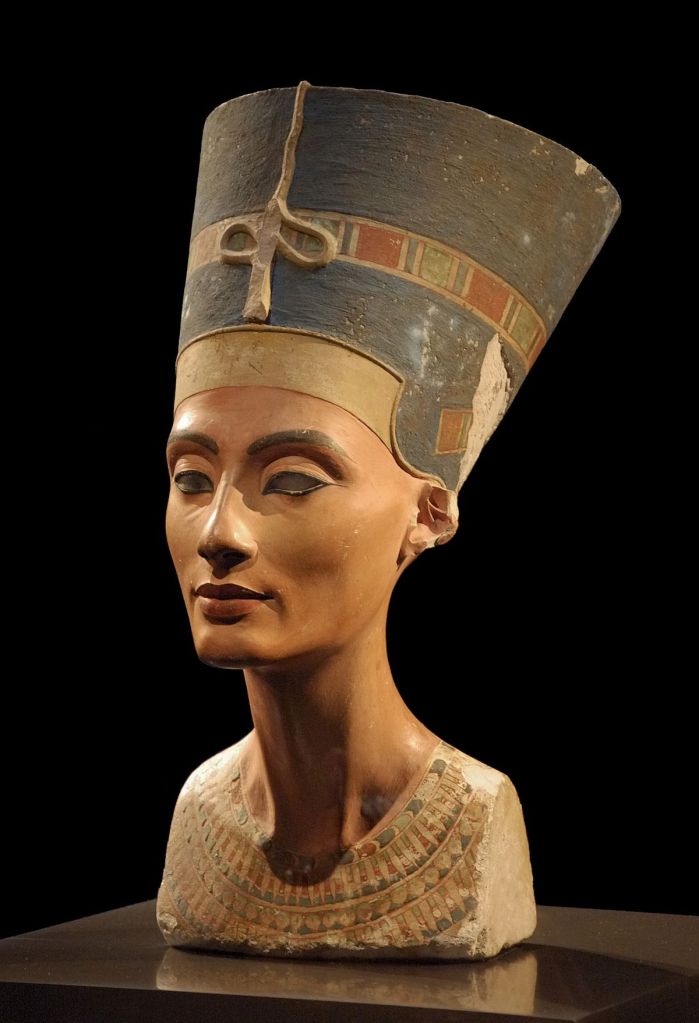
Two example of items that have recently been 3D printed by museums include Killer Whale clan crest hat and the bust of Egyptian queen Nefertiti. The Smithsonian National Museum of Natural History in the US has worked closely with the Tlingit native community of southeast Alaska, which requested the repatriation of several objects that were sacred to them. One of the most important objects was the Killer Whale clan crest hat, which the museum digitized and made an accurate replica of, before returning the original to the community. The museum scanned the original hat, printed out multiple copies of the hat, and then returned the sacred hat the tribe so that they could preserve and honor it in their own way. Likewise, the bust of Queen Nefertiti has recently been scanned and the file has been uploaded to the public for free use by the Neues Museum in Berlin.
Information used from: http://theconversation.com/3d-printing-is-helping-museums-in-repatriation-and-decolonisation-efforts-126449
 The Most Interesting Tech in the World